Post Pipeline: Denoise, Sharpen, Export & Metadata Strip
Ever wondered why some images look like they were made by pros, while others seem amateurish? The answer is in your workflow. Learning an ai porn post pipeline is key to turning raw images into top-notch digital assets.
Having a structured approach means every file gets checked for quality before it’s shared. Steps like denoising and sharpening keep your visuals at a high standard. This method makes handling lots of content easy and precise.
Using a detailed ai porn post pipeline helps remove common issues and gets your work ready for sharing. This guide will help you improve your creative work and make your daily tasks smoother.
Key Takeaways
- Establish a consistent workflow to ensure professional image quality.
- Use denoising and sharpening to refine raw machine-generated files.
- Implement metadata stripping to protect your privacy and data.
- Scale your production by automating repetitive editing tasks.
- Maintain high visual standards to keep your audience engaged.
Setting Up Your AI Porn Post Pipeline
Creating a solid post-production system is key to your success. Handling lots of media without a plan wastes time and quality. A well-organized ai porn post pipeline makes sure every file is top-notch before it’s shared.
Your setup needs to handle fast processing to avoid delays. A smart workflow optimization plan lets you work on many files at once without losing quality. This is crucial for staying ahead in the digital world.
Defining the Workflow Objectives
Your main aim with a post pipeline nsfw is to keep all visuals consistent. Focus on the same skin tones and lighting in all your work. This makes your brand recognizable and keeps viewers coming back for more.
It’s also important to ensure every project has high-resolution images. Set clear standards for sharpness and clarity. This makes editing easier and keeps your work professional.
Essential Software and Tools for Post-Processing
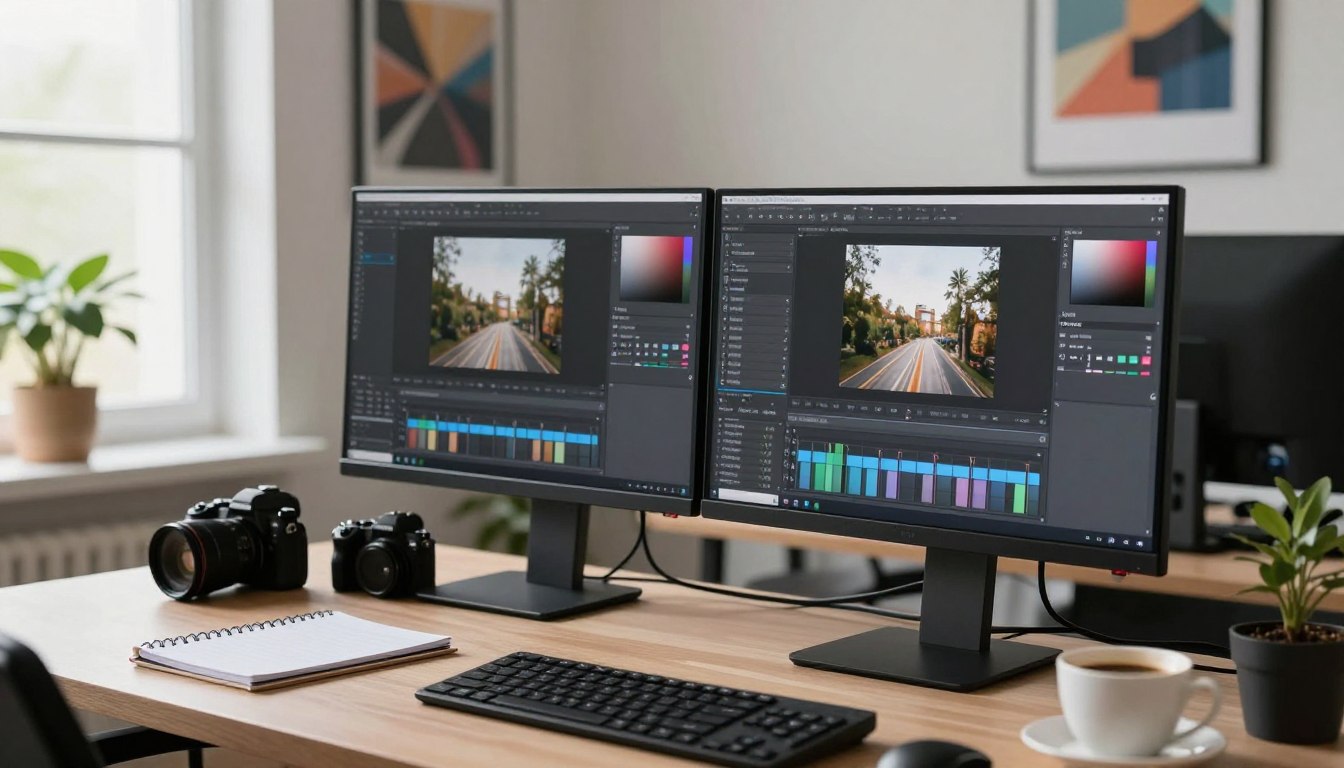
To really optimize your workflow, you need top tools. Adobe Photoshop is great for manual tweaks, and plugins like Topaz Photo AI are essential for removing noise. Together, they make your raw images look professional.
Adding automated batch tools to your ai porn post pipeline saves a lot of time. Scripts or actions let you apply the same settings to many images at once. This automation is vital for growing your post pipeline nsfw while keeping things running smoothly.
Evaluating Raw AI Outputs for Quality
Checking your raw AI images is key to keeping AI image quality high. Before adding these images to your post pipeline nsfw, do a detailed visual check. This step helps avoid wasting time on images that can’t be fixed or over-processing perfect ones.
Identifying Common AI Artifacts
When you look at your raw files, watch out for structural errors and digital noise. You might see color speckles, which look like random, bright dots in shadows or mid-tones. These are different from the natural grain that comes from making images.
To remove AI artifacts well, you need to tell these apart. Structural errors, like distorted limbs or wrong textures, can’t be fixed with filters. If you see these, it’s often best to start over with a new image instead of trying to fix it.
Determining When to Upscale Versus When to Denoise
Choosing between upscaling and denoising depends on your image’s needs. Always apply denoising after demosaicing and white balance, not before. Doing it too early can make it hard to get back fine details later.
If your image is clear but has visible grain, focus on denoising. But if it’s blurry or soft at higher resolutions, you need to upscale it. Use the table below to help decide what to do next in your workflow.
| Issue Detected | Primary Solution | Expected Outcome |
|---|---|---|
| Luminance Grain | Targeted Denoising | Smooth skin textures |
| Low Resolution | AI Upscaling | Increased pixel density |
| Color Speckles | Chroma Noise Reduction | Clean color gradients |
| Structural Distortion | Regeneration | Corrected anatomy |
Advanced Denoising Techniques for Skin Textures
Improving skin textures is key to making AI images look great. You need to remove noise but keep pores and details. If not, your images might look fake or too smooth.
Using Topaz Photo AI for Intelligent Noise Reduction
Topaz Photo AI makes AI artifact removal easy with smart machine learning. It spots noise and keeps skin details sharp. This saves time and keeps your work looking professional.
This tool is great because it avoids the smudgy look of old filters. It targets noise well, keeping skin texture clear. It’s a must-have for today’s photo editing.
Manual Denoising in Adobe Photoshop
At times, AI needs a human touch for the best results. Manual image denoising lets you focus on areas AI might miss. You can use plugins or filters to control the look.
Tools like Noiseware CE use special algorithms to clean images. They work on color channels carefully, preserving the image’s quality. Precision is key for detailed portraits.
Applying Frequency Separation for Skin Smoothing
Mastering frequency separation in Adobe Photoshop is crucial for skin texture smoothing. It divides your image into two layers: color and texture. This way, you can refine the color layer without harming skin pores.
Blurring the color layer evens out skin tones while keeping texture sharp. This method ensures your images look natural and real. It’s the top choice for high-end photo editing.
Precision Sharpening for Enhanced Detail
To get professional results, you need to sharpen your images carefully. This step should be the last one in your workflow. Make sure your file is at its final size before sharpening.
Sharpening at the end keeps your image’s pixel structure safe. This is key for keeping AI image quality high throughout your work.
Understanding High-Pass Sharpening Methods
The high-pass method is great for enhancing edges without messing with flat areas. Make a duplicate layer and apply a high-pass filter. This targets the fine details that need more definition.
Change the layer blending mode to “Overlay” or “Soft Light” to see the effect. This method lets you selectively enhance textures while keeping the rest smooth.
Utilizing Smart Sharpen Filters
Adobe Photoshop’s Smart Sharpen filter gives you more control than old tools. You can adjust the sharpening amount and radius precisely.
Use the “Reduce Noise” slider in this filter to avoid adding unwanted grain. This is key for keeping AI image quality high.
Balancing Sharpness to Avoid Halo Artifacts
Don’t over-sharpen, as it can cause halo artifacts around edges. Keep the radius low and make small adjustments. This avoids harsh effects.
Zoom in to 100% when sharpening to check edges closely. If you see white outlines, reduce the intensity right away. This keeps your digital image sharpening looking professional.
Color Grading and Lighting Adjustments
Color grading is the last step to make images look like they were shot on film. Your first version might look good, but it often lacks the feel of a movie. By making these changes, you turn raw images into something beautiful and engaging.
Before you start, make sure your digital image sharpening is done. This avoids problems when you change colors. Once your image is sharp, you can work on its mood and colors.
Correcting Skin Tones and Contrast
Getting skin tones right is key to making AI images look real. Start by adjusting the white balance to remove unnatural colors. If skin looks too pale, adding a bit of orange and red can make it look healthy.
Adjusting contrast makes your subject stand out. Use curves or levels to balance highlights and shadows. This careful balance keeps the image from being too harsh while showing depth.
Applying Cinematic LUTs for Professional Aesthetics
Cinematic LUTs are quick ways to get a professional look without a lot of work. They change the mood of your images to fit styles like dark or soft. You can add these to your whole project to keep it looking consistent.
When picking a LUT, check how it affects skin tones. If it’s too much, reduce the layer’s opacity. This way, your content will always look high-quality.
| Adjustment Type | Primary Goal | Recommended Tool |
|---|---|---|
| White Balance | Neutralize color casts | Color Grading Panel |
| Exposure | Fix lighting levels | Curves Adjustment |
| Saturation | Enhance skin vibrancy | HSL Sliders |
| LUT Application | Apply cinematic style | Adjustment Layers |
Managing File Formats and Export Settings
Finding the right balance between quality and file size is key. When you’re done producing, your file format choices matter a lot. Having a solid plan for these settings is crucial for workflow optimization.
Choosing Between PNG and JPEG for Final Delivery
The right format depends on your project’s needs. PNG files keep quality high, perfect for detailed work. But, they can make files big, slowing down websites.
JPEG is best for web use because it’s good at saving space without losing too much quality. It’s a lossy format, but modern tools help keep it looking sharp. Picking the right format means your work looks great and loads fast.

“Quality is never an accident; it is always the result of high intention, sincere effort, intelligent direction and skillful execution.”
Optimizing Compression Without Losing Quality
Mastering file compression is essential for top-notch results. A quality setting of 95 is often the best for keeping details sharp. It saves space without losing quality.
Always check your work on different devices to avoid bad compression effects. By adjusting these settings, you keep your workflow efficient. Good file compression lets everyone see your work as you meant it, no matter their connection or screen.
The Importance of Metadata Stripping
Every image file has a digital fingerprint that can risk your privacy. When you export your final AI-generated assets, they often carry hidden information called EXIF data. This data can reveal details about your hardware, software versions, and even the time of creation.
Why Removing EXIF Data Matters for Privacy
Keeping your EXIF data private is crucial for any creator who values security. Uploading files directly from your workstation can expose technical metadata. This metadata could track your workflow or identify your setup. Metadata stripping makes sure your files are clean, sharing only the visual information you want.
Cleaning your files also keeps your work professional. It prevents platforms from misinterpreting your file settings or showing wrong technical specs to your audience. You can use special tools to add missing data, like ISO information, if your export process misses it.
Automated Tools for Batch Metadata Removal
Checking every file manually is slow when you have a large library. Using batch processing can clean thousands of files in seconds, keeping your output secure. These tools remove sensitive tags without affecting the image quality.
| Tool Type | Ease of Use | Batch Capability | Privacy Level |
|---|---|---|---|
| GUI Software | High | Moderate | Good |
| Command-Line | Low | Excellent | Maximum |
| Online Converters | High | Low | Poor |
Using ExifTool for Command-Line Efficiency
For those needing control, ExifTool is the top choice for metadata stripping. It works from the command line, making it fast for batch processing entire folders. With a simple command, you can remove all metadata or specific tags while keeping important data like ISO values.
Learning ExifTool boosts your EXIF data privacy efforts. It offers a reliable way to clean your content before it’s shared. By adding this to your final steps, you keep your work anonymous and safe.
Maintaining Consistency Across Large Batches
Handling big amounts of content means keeping things consistent is key. Using batch processing helps you keep quality high without spending too much time. By making your finishing steps standard, your work looks unified and professional.
Creating Photoshop Actions for Repetitive Tasks
Photoshop Actions are great for saving time. They record your edits and apply them to new images with one click. This way, you can do lots of work quickly without getting overwhelmed.
To start, open the Actions panel and make a new set for your project. Record your edits once, then use “Batch” to apply them to many files at once. This is super helpful for doing metadata stripping on lots of images at once.
Using Lightroom Presets for Uniform Finishing
Lightroom presets make it easy to keep your photos looking the same. Create a preset that adjusts exposure, contrast, and color. This way, your visual identity stays strong in all your photos.
Save your preset and use it on all your devices. This makes your photos look professional without you having to do it all over again. Using these tools well lets you focus on your creativity, not just the technical stuff.
Troubleshooting Common Post-Processing Issues
When your high-quality images look artificial or have unexpected color shifts, it’s time to troubleshoot. Even the most refined workflows can hit a snag. Knowing how to find the root cause is key to keeping your work professional.
Fixing Over-Processed or Plastic-Looking Skin
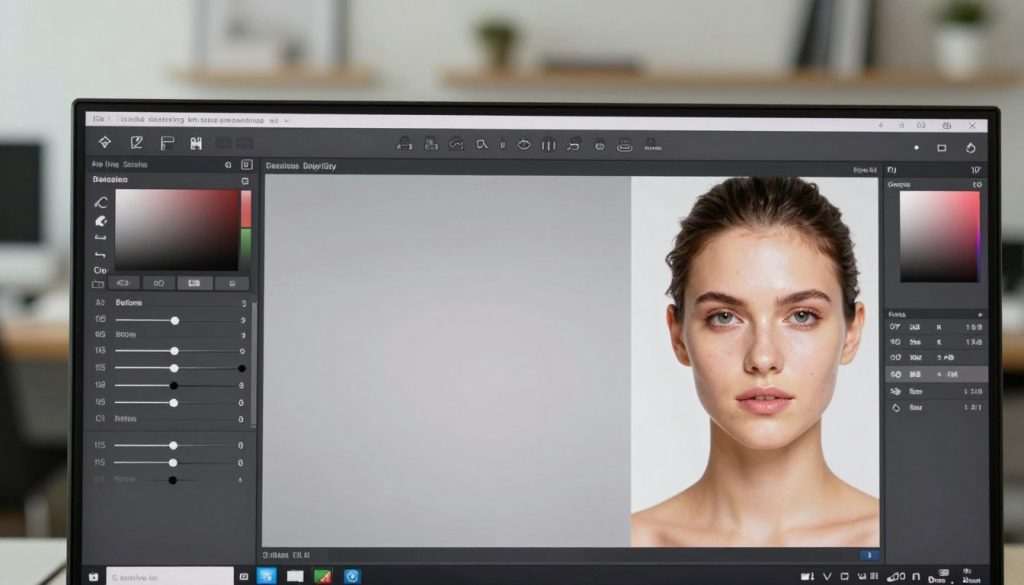
A common mistake is applying image denoising after sharpening. This sequence can make skin look fake and plastic. To get natural skin texture smoothing, always do noise reduction first.
If skin looks too smooth, try lowering the denoising layer’s opacity. Or, reduce the noise reduction software’s intensity. You want to keep the natural pores and fine lines. Consistency is key, so make small adjustments until it looks real again.
Correcting Color Shifts During Export
Color changes can happen when your color space doesn’t match export settings. If your color grading looks great in your software but dulls when exported, check your ICC profile settings. Make sure you’re exporting in sRGB for the best web and mobile display.
Another issue is metadata that conflicts with display software. While keeping EXIF data privacy is important, make sure your export tool doesn’t remove color profile tags. Set your software to “Embed Color Profile” to keep your image colors right.
Conclusion
Mastering the post-processing pipeline is key to high-quality AI-generated content. You now have the tools to refine every pixel. This ensures your output meets the highest standards.
Improving your sharpening techniques helps highlight details naturally. These tweaks make the difference between raw output and polished art.
Smart file compression keeps images light without losing quality. This way, you can share your work on different platforms quickly and efficiently.
These final steps also protect your privacy and make your workflow smoother. Removing metadata keeps your work secure and professional. Apply these methods to your next project for better results.
FAQ
What are the primary objectives of a professional post pipeline nsfw workflow?
Your main goals are to improve AI image quality and ensure anatomical accuracy. You also aim to protect your privacy. By following a clear sequence of steps, you can turn raw images into professional content.
This process involves denoising, color correction, and metadata removal. These steps prepare your files for safe sharing online.
Which essential software and tools do you need for effective post-processing?
For a strong post pipeline nsfw, use Adobe Photoshop for detailed retouching. Topaz Photo AI is great for reducing noise. ExifTool is key for removing metadata in batches.
Adobe Lightroom helps apply consistent color profiles to many images at once.
How do you determine if a raw AI output requires upscaling or just targeted denoising?
First, check if the image needs more resolution or if it has too much grain. If it’s too small for its display size, upscaling is needed. But if it’s high-resolution but grainy, focus on denoising.
This way, you keep the image quality without making it blurry.
What is the best way to achieve realistic skin textures without a “plastic” appearance?
To get natural skin, use Topaz Photo AI first for denoising. Then, separate frequencies in Adobe Photoshop. This method keeps skin texture natural while smoothing it.
It makes your subjects look real, not fake.
How do High-Pass sharpening methods improve the clarity of AI-generated images?
High-Pass sharpening targets only the edges in your image. It boosts sharpness without messing up flat areas. This avoids halo artifacts that can ruin low-quality images.
Why is color grading and the use of LUTs important for finishing your images?
Color grading fixes skin tones and contrast issues in AI images. Using cinematic LUTs gives your images a uniform look. This makes your work stand out and look professional.
Should you choose PNG or JPEG for your final export settings?
The choice between PNG and JPEG depends on your needs. PNG keeps image quality high but is big. JPEG is better for web because it’s smaller and loads faster.
Why is stripping EXIF data considered a non-negotiable part of your finishing steps?
Removing EXIF data is key for privacy. Raw files can reveal your location and equipment. ExifTool helps clean your files, keeping your work private.
How can you maintain consistency across a batch of hundreds of images?
Automate your workflow with Photoshop Actions for tasks like resizing. Use Lightroom Presets for color and lighting adjustments. This way, you can make a large set of images look cohesive easily.
What should you do if your exported images exhibit unexpected color shifts?
If images have color issues, check your color profiles. Make sure you’re using sRGB for web. Adjust your export settings if needed. Also, review your denoising and sharpening levels to restore image vibrancy.