Sculpting Tone & Mood: Lighting, Music & Color Scripts
Ever wondered why some digital scenes grab your attention right away? Others just don’t? The answer often lies in the hidden details of your production.
In professional theater, stagecraft sets the mood. Your creative choices are like the silent actors in your project. By mastering light, sound, and color, you can turn simple ideas into sophisticated, narrative-driven visual experiences.
You’ll discover how to blend these key areas to boost your work’s emotional impact. Understanding the ai porn tone & mood lets you create immersive worlds that connect with your audience.
Key Takeaways
- Lighting is key for setting a scene’s emotional feel.
- Music and sound design are the heart of your digital story.
- Color scripts guide visual consistency and theme.
- Combining these elements makes your viewer experience richer.
- Mastering these skills helps you tell more complex stories.
Defining the Aesthetic Vision for Your AI Projects
Creating a compelling visual identity begins before you make your first image. You need to know how visual elements affect how people see your work. A clear direction ensures your content stays consistent and powerful.
Establishing the Emotional Core
The emotional core is the heart of your project. It sets the mood, tone, and feeling of your world. Lighting is key, as it tells the viewer the scene’s mood right away.
“Lighting is the primary language of cinema; it tells the audience how to feel before a single word is spoken.”
Defining this core guides your creative choices. Whether you want a soft, romantic feel or a dramatic look, your emotional intent is key. This focus helps refine your ai porn tone to connect with your audience.
Translating Concepts into Visual Language
After setting your emotional goals, you need to turn these ideas into visual instructions. AI models need precise guidance to match professional work. Break down your vision into technical parts like color, shadow, and light placement.
Think about these elements when creating your visual language:
- Color Palette: Pick colors that match your desired mood.
- Lighting Quality: Choose between soft or sharp light.
- Composition: Use framing to guide the viewer’s eye.
With clear parameters, you go beyond generic images. You can keep a consistent ai porn tone across many images. This control turns your projects into cohesive visual narratives that grab the viewer’s attention.
Mastering AI Porn Tone & Mood Through Prompt Engineering
To get the right ai porn tone & mood, you need to craft your prompts carefully. Your instructions are like a bridge between your vision and the final product. Just as lighting designers use basic tools to create different looks, your words set the mood of each scene.
Refining Lighting Descriptors in Prompts
Controlling light is key. Use specific terms to change the look of your scenes. Small changes in your prompt can make a big difference in the image’s feel.
- Use “rim lighting” for a sharp silhouette.
- Choose “soft, diffused light” for a cozy feel.
- Try “high-contrast chiaroscuro” for mystery and depth.
Integrating Mood-Specific Keywords
Adding mood keywords helps the AI focus on certain emotions. This keeps your ai porn tone & mood consistent. You’re teaching the model to use evocative language that evokes a specific feeling.
Use adjectives that describe the scene’s mood, not just what’s in it. Words like “melancholic,” “electric,” or “serene” guide the AI. Mixing these with lighting terms creates a cohesive atmosphere that feels deliberate and refined.
Balancing Realism and Stylization
Finding the right mix of realism and stylization is key. Too much realism can make your work feel generic. Too much stylization can make it feel too far from reality.
To strike the right balance, use descriptive words that blend reality and art. Terms like “cinematic realism” or “hyper-detailed stylized portrait” help the AI get your aesthetic. Mastering this balance is crucial for achieving top-notch ai porn tone & mood results.
Developing Effective Mood Boards for AI Generation
Mood boards are key for your creative work in AI. They help keep your vision clear by organizing your visual goals. This way, every AI generation stays true to your original idea. These mood boards keep your work on track, avoiding the common problem of losing focus.
Curating Reference Imagery
Begin by collecting high-quality images that match your desired look. Look for professional photos or movie stills that capture the exact atmosphere you want. Make sure your images are consistent to keep your final work cohesive.
Don’t mix different styles in your collection. Choose a few key images that show the essence of your project. This focused approach helps keep your work looking unified.
Analyzing Composition and Color Palettes
After gathering your images, study them closely. Look at how the subjects are framed and where the main points are. Also, note the main colors and how they affect the mood.
By understanding these details, you can turn your mood boards into clear instructions for your AI. This step is key to moving from a vague idea to a polished final product.
Applying Mood Board Insights to AI Models
Use the insights you’ve gathered to improve your prompts for AI. Include specific details about lighting, colors, and framing. This turns your mood boards into clear instructions for your AI model.
Using these insights in your AI workflow makes your creative process more controlled and accurate. Your AI outputs will be more precise when you give it clear, data-driven prompts. Consistency is the reward for this careful preparation.
Lighting Techniques to Enhance Narrative Depth
Learning how light and shadow work can turn simple images into powerful stories. Light is a powerful tool for telling stories. It can guide the viewer’s eyes and set the mood of your scene.
By picking the right light sources, you can highlight important moments or add drama. This makes your scene more engaging.
Utilizing High-Key Versus Low-Key Lighting
High-key lighting makes scenes bright and clear. It’s great for scenes that feel inviting or energetic. This style works well for scenes that need to be open and clear.
On the other hand, low-key lighting uses deep shadows to create mystery or intimacy. It’s perfect for scenes that need to feel tense or close.
Choosing between high-key and low-key lighting depends on the mood you want. Low-key lighting is especially good for adult content. It highlights textures and adds drama. Try both to see how they change your scene.
Simulating Cinematic Light Sources
To look professional, use more than just front light. Side and back lighting are key for dance scenes. They add depth and sculpting to the choreography.
Backlighting creates a halo effect. It makes your subject stand out from the background. This adds a cinematic feel to your scene.
To get these effects, use specific prompts like “rim lighting” or “golden hour glow.” These tell the AI to light your scene like a real studio. Consistent light placement makes your characters feel real in their world.
Adjusting Shadows for Dramatic Impact
Shadows are important in your scene. They help guide the viewer’s eye to key parts. Soft shadows can make scenes feel romantic or dreamy. Sharp shadows suggest danger or high stakes.
Here’s a table to help you choose the right lighting for your project:
| Lighting Style | Primary Emotional Effect | Best Use Case |
|---|---|---|
| High-Key | Optimism and Clarity | Bright, energetic, or joyful scenes |
| Low-Key | Mystery and Intimacy | Dramatic, moody, or sensual sequences |
| Side Lighting | Texture and Dimension | Highlighting movement and body contours |
| Backlighting | Depth and Separation | Creating a cinematic, professional silhouette |
Implementing Color Scripts for Visual Consistency
Visual consistency is key to making AI-generated media look professional. Using a color script ensures every frame fits together well. This keeps the ai porn tone consistent, engaging your audience.
Understanding Color Psychology in Adult Content
Colors speak volumes without saying a word. Warm colors like reds and oranges spark passion. Cool colors, like blues, bring mystery. Knowing this helps you control how viewers feel.
- Red: Excites and boosts physical arousal.
- Blue: Brings calm, intimacy, or a touch of sadness.
- Gold/Amber: Adds luxury and high production value.
Creating a Cohesive Color Palette
AI content often lacks cohesion, breaking the viewer’s immersion. A well-planned color palette fixes this. Sticking to a consistent set of hues makes your work look professional and intentional.
To keep your ai porn tone consistent, follow these steps:
- Choose a main color for the scene.
- Pick two secondary colors for contrast.
- Use neutral tones to balance and avoid visual fatigue.
Applying Color Grading Post-Generation
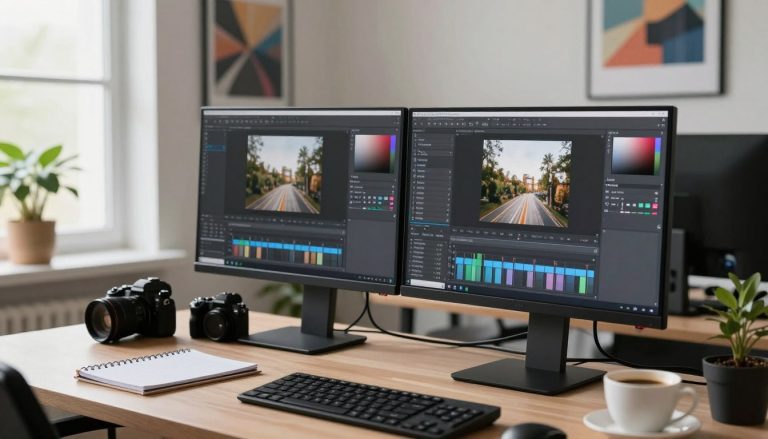
Even with great prompts, your raw output might need a polish. Color grading after generation ensures your project looks cohesive and cinematic. Tools like DaVinci Resolve or Adobe Premiere help adjust colors.
This step harmonizes images into a unified story. By refining the ai porn tone here, you meet your creative goals. Consistent grading shows you value quality and the viewer’s experience.
Selecting Music and Soundscapes to Elevate Atmosphere
Sound design is the heartbeat of your digital creations. It drives how your audience feels. While visuals set the scene, audio brings it to life. By matching your soundscape with your visuals, you create an immersive experience that touches the heart.
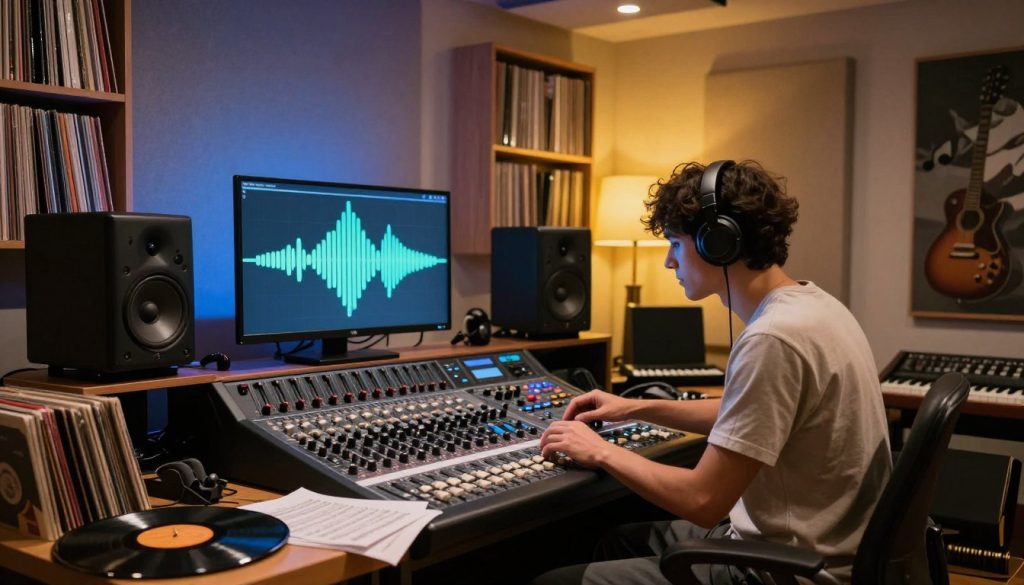
Matching Audio Tempo to Visual Pacing
The rhythm of your scene should match your edits. When visuals and audio tempo align, viewers feel a natural flow. You can even use lighting to accentuate a drum kick with a light that pops, helping the audience hear and feel the music at the same time.
Keeping timing consistent prevents disorientation. Fast visuals need a high-tempo track to keep energy up. Slow-motion scenes, on the other hand, benefit from ambient sounds that let viewers soak in every detail.
Choosing Genres for Specific Emotional Responses
Different musical genres evoke different moods. A dark, synth-heavy track might create mystery or tension. Orchestral arrangements often signal grandeur or intimacy. Choose a genre that matches the emotional core of your visuals and lighting.
The following table shows how different audio styles affect viewer perception:
| Genre | Primary Emotion | Best Use Case |
|---|---|---|
| Ambient Synth | Mystery/Intrigue | Slow-paced, atmospheric scenes |
| Orchestral | Drama/Intensity | High-stakes narrative moments |
| Upbeat Electronic | Energy/Excitement | Fast-paced, rhythmic sequences |
| Minimalist Piano | Intimacy/Sadness | Close-up, character-focused shots |
Integrating Sound Design for Immersion
Beyond music, sound design includes ambient noises and foley effects. These subtle additions turn a static image into a sensory-rich narrative. Adding environmental sounds like distant rain or wind makes your AI-generated scenes feel real.
Layering is key to professional audio. Don’t rely on just one track. Blend background textures with your main music for depth. This makes your project feel polished and engaging for your audience.
Step-by-Step Workflow for Sculpting Scenes
Creating a scene is like putting on a show. Every detail is important. Lighting designers spend eight hours perfecting each cue. You can do the same with your AI content.
Step One: Drafting the Initial Concept
Start by sketching your idea. Define the story or emotional state you aim for. A clear plan keeps you focused, avoiding getting lost in AI’s vast options.
Step Two: Executing the Lighting and Color Script
After setting your concept, turn it into technical details. Decide on light sources and colors early. Being precise here helps the AI work better, saving time later.
Step Three: Refining the Output with Iterative Prompting
The first try might not be perfect. Use a loop of tweaking prompts to improve. Adjusting your words can fine-tune the mood and look until it matches your vision.
Step Four: Finalizing the Mood with Audio Integration
The last step is adding sound. Music connects the image to a full experience. Choose music that fits the scene’s pace for a compelling story.
Common Pitfalls in AI Mood Creation
Even the most experienced digital artists face challenges when working with AI. Knowing these issues helps improve your work. Using mood boards can help you avoid these problems before they affect your final product.
Avoiding Over-Saturation and Artificiality
One common error is overusing color sliders, making images look fake or too bright. This over-saturation can remove the real textures that make an image feel genuine. To keep your images looking natural, try these tips:
- Lower contrast settings for softer transitions.
- Add a subtle grain filter to soften digital edges.
- Stick to a simple color scheme of three or four colors.
Correcting Inconsistent Lighting Patterns
Keeping light sources consistent is crucial for a believable world. If light sources change from one scene to another, it can pull the viewer out of the story. Consistency is key for a smooth narrative.
Always set your light source clearly in your initial prompts. If you see a light source change, re-run the AI with a fixed seed value. This small step can prevent the sudden visual changes that often happen in AI projects.
Managing Narrative Disconnects
A narrative disconnect happens when your visuals don’t match the story’s emotional tone. You might have a stunning image that doesn’t fit the scene. Using well-organized mood boards helps keep your visuals in line with your story.
Make sure your audio matches the mood of your visuals. When sound and image work together, the viewer stays engaged. Thoughtful planning ensures every element supports the story you’re telling.
Advanced Tools and Software for Creative Control
To get top-notch results from AI, you need more than just basic prompts. Technical precision is key to moving from amateur to professional work. With the right software, you can control light and color in your scenes exactly.
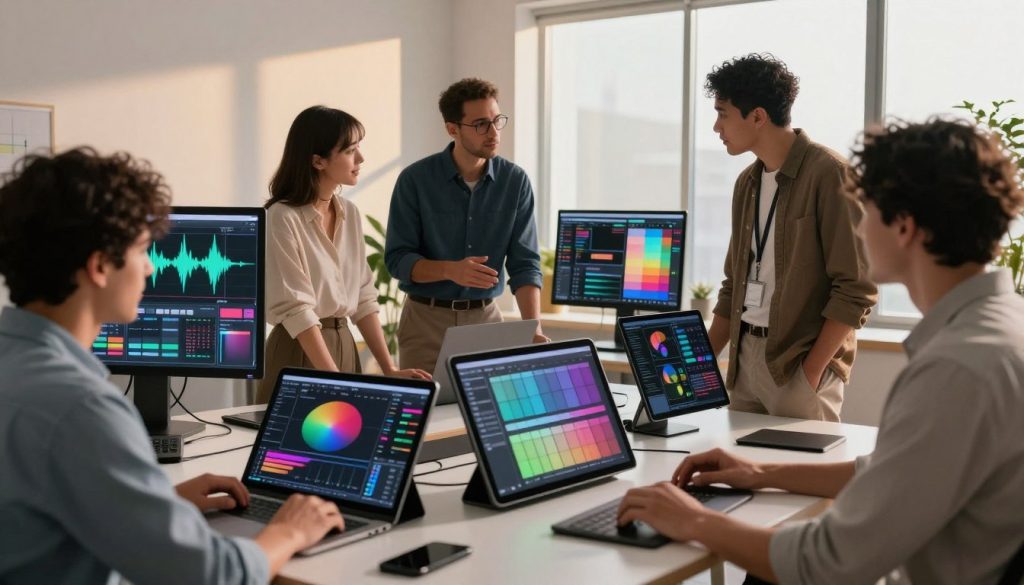
Leveraging ControlNet for Lighting Precision
ControlNet connects your vision to the final image. It lets you map out specific details. This is like using ION consoles for stage lighting, ensuring smooth transitions.
With ControlNet, you can set up light sources and shadows with great detail. This way, the AI follows your exact plan. Your lighting will be dramatic and intentional, not random.
Using External Editing Suites for Color Correction
Even the best AI images need a final touch. Tools like Adobe Photoshop or DaVinci Resolve are great for color grading. They help you tweak saturation, contrast, and white balance to match your creative vision.
Editing your work in a dedicated suite fixes small issues. This step is crucial for a cohesive aesthetic in your images or videos. It turns raw AI output into a polished, professional piece.
Optimizing Workflows with AI-Assisted Tools
Efficiency is crucial in complex projects. AI plugins can automate tasks like masking or upscaling. These tools save time and keep quality high.
A good workflow lets you focus on creativity, not technical issues. The right software and approach lead to better results every time.
| Tool Category | Primary Function | Benefit to Workflow |
|---|---|---|
| ControlNet | Structural Guidance | High precision in lighting and composition |
| Editing Suites | Color Correction | Professional grade color grading and polish |
| AI Plugins | Task Automation | Increased efficiency and consistent quality |
Conclusion
Improving the tone and mood of your AI projects is a journey. You learn by trying new things and changing your approach with each result.
Creating immersive experiences comes from combining lighting, music, and color scripts with purpose. When every visual element has a role, your audience feels it.
Great creators see their work as a single vision, not just a mix of images. You can make digital spaces that feel real and touch people’s hearts.
Use these methods to explore what’s possible with tools like Midjourney or Stable Diffusion. Your skill in setting the mood makes your work better.
Begin your next project with a clear idea of your emotional core. Your creativity will grow stronger with each new version you make.
FAQ
How do you establish a consistent ai porn tone across your digital projects?
To keep a consistent ai porn tone, start by defining an emotional core. Use specific lighting descriptors and mood-specific keywords in your prompts. This helps models like Stable Diffusion create content that feels intentional and atmospheric.
Why are mood boards essential for guiding AI generation models?
Mood boards act as a visual guide. They help translate abstract ideas into a clear visual language. By curating images and analyzing composition and color palettes, you ensure your AI projects are cohesive and visually appealing.
What is the difference between high-key and low-key lighting in narrative depth?
High-key lighting makes scenes bright and open, while low-key lighting creates mystery and drama. Choosing the right lighting technique helps you sculpt the scene and focus the viewer’s attention.
How can you use prompt engineering to balance realism and stylization?
Prompt engineering connects your vision to the AI’s output. Include technical lighting scripts and texture references in your prompts. This ensures your result is grounded yet has a unique artistic flair.
What role does color psychology play in creating adult-themed AI content?
Color psychology triggers emotions; warm ambers suggest intimacy, while deep blues imply a futuristic feel. Using color scripts early ensures visual consistency and maintains the mood.
How do you match audio tempo to the visual pacing of your AI scenes?
To create an immersive experience, align the audio tempo with your visual cuts. Integrating sound design and choosing music reinforces the mood, making static visuals dynamic.
What are the benefits of using ControlNet for lighting and composition?
ControlNet offers precision beyond text prompts. It lets you control lighting precision and depth maps for professional-grade content.
Which external editing suites are best for fine-tuning AI-generated outputs?
For top results, use tools like Adobe Premiere Pro for video or DaVinci Resolve for color correction. These suites help refine your final output and bring your aesthetic vision to life.
How do you avoid common pitfalls like over-saturation and artificiality?
Avoid artificiality by managing narrative disconnects and fixing inconsistent lighting patterns through iterative prompting. Use natural light sources and subtle color grading to keep your content sophisticated.